The Dangers of Voltage Mismatches in E-Bike Charging
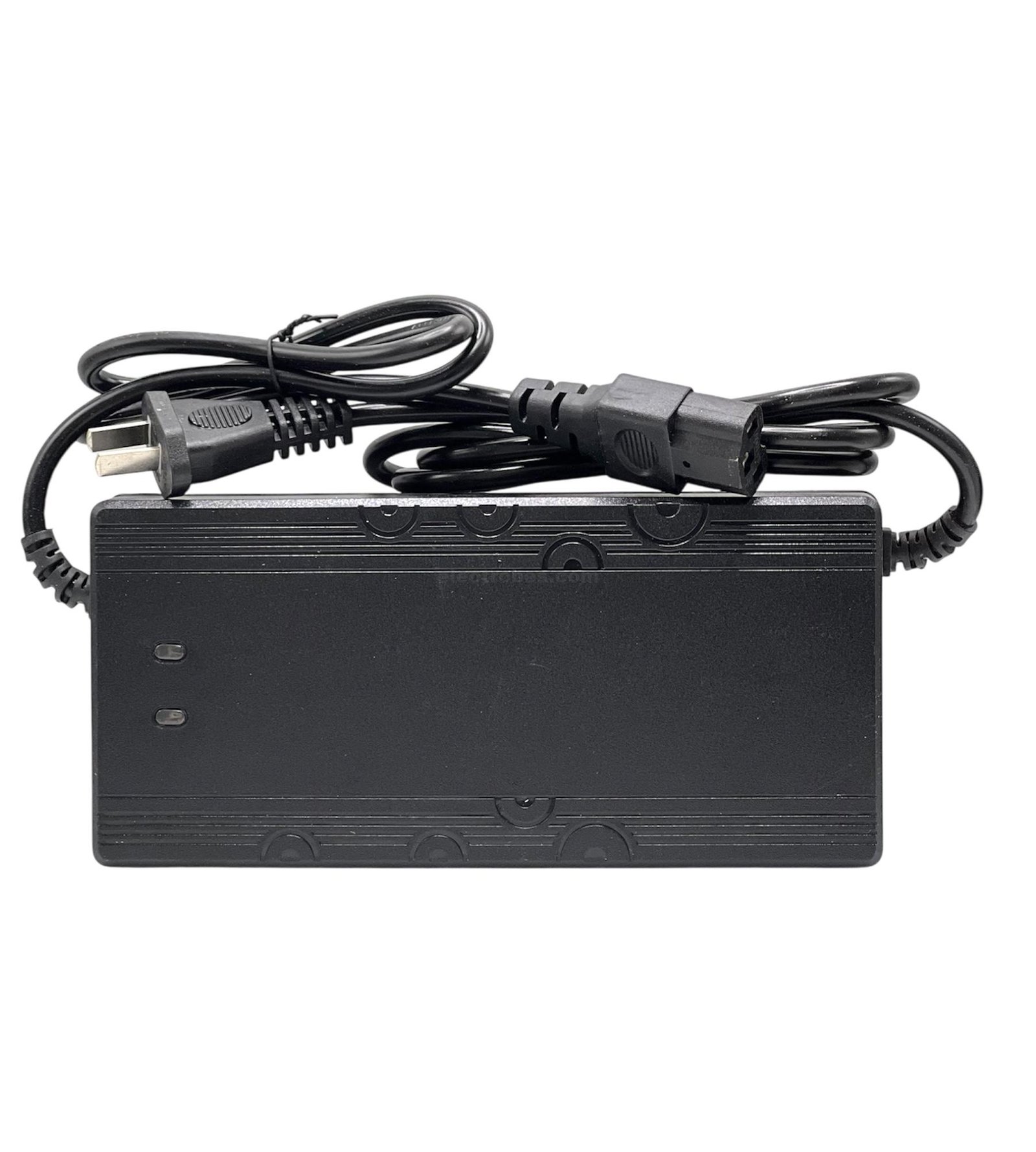
One of the most dangerous misconceptions in Pakistan's electric two-wheeler market is that "any charger that fits the socket will work". Because 3-pin XLR and C13 kettle connectors are used across 48V, 60V, and 72V bikes, accidental cross-connection occurs frequently.
Here is the engineering reality of what happens when voltages are mismatched:
Scenario A: Using a Higher Voltage Charger on a Lower Voltage Battery (e.g. 72V Charger on 48V Battery)
- **Result: CATASTROPHIC.**
- The 72V charger attempts to push current until it reaches 84V.
- In a 48V Lead-acid battery, electrolyte boils, internal pressure skyrockets, and casing violently splits or ruptures.
- In a 48V Lithium-ion pack, the cells exceed their 4.25V thermal runaway ceiling, resulting in smoke or fire if the BMS does not trip instantly.
Scenario B: Using a Lower Voltage Charger on a Higher Voltage Battery (e.g. 48V Charger on 60V Battery)
- **Result: UNDERCHARGING / CURRENT BACKFEED.**
- The 48V charger cuts off at 58.8V. A 60V battery is dead empty at 58V.
- The charger light will turn green immediately, leading the owner to believe the battery is full. The bike will travel less than 1 kilometer before stalling.
- In poorly built chargers lacking reverse-blocking diodes, current from the higher-voltage battery will flow backward into the charger, frying its output filter capacitors.