## Maximizing Operational Uptime for Electric Cargo Fleets
Electric cargo loaders carrying vegetables, grain, hardware, and retail goods across urban hubs can travel 80 to 120 km daily. With diesel and petrol prices rising, an electric loader saves PKR 45,000 to 70,000 monthly in fuel expenses.
To maintain continuous fleet availability, operators must implement structured charging protocols:
1. The Midday Opportunity Charge
For loaders covering extensive dual shifts:
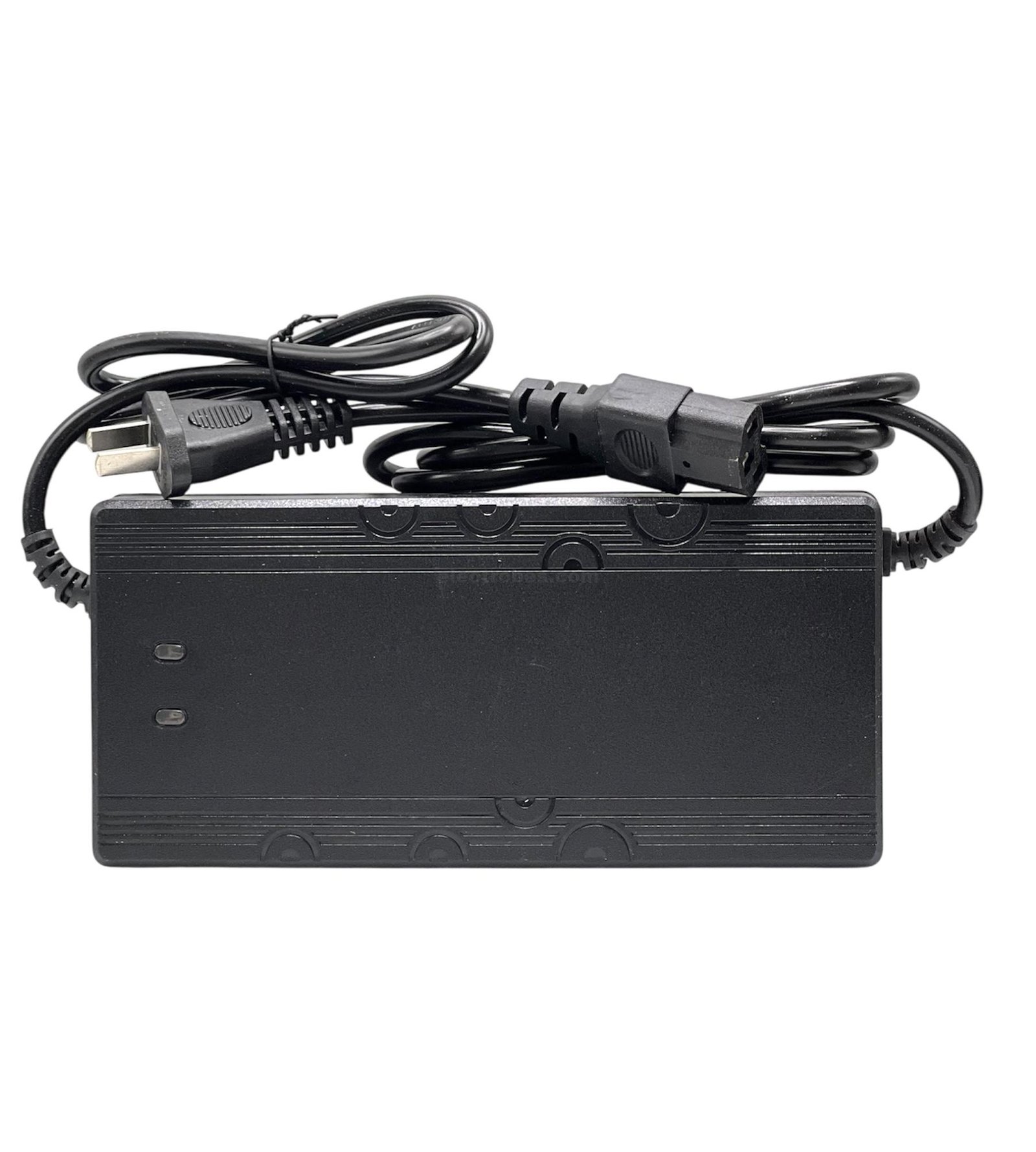
- A 1-hour opportunity charge during driver lunch breaks with a 25A fast charger adds 25Ah (equivalent to 15–20 km of cargo range).
- Ensure connectors are cleaned of road dust before connecting high-current Anderson plugs.
2. Off-Peak Night Charging
WAPDA and K-Electric commercial Time-of-Use (TOU) tariffs offer significantly discounted electricity rates during off-peak hours (typically 11:00 PM to 5:00 AM). Scheduling full depot charging during off-peak windows reduces per-kilometer operating costs to under PKR 2.50.
3. Electrical Infrastructure Checklist for Commercial Depots
- Install genuine 16A industrial CEE sockets or dedicated 32A distribution panels.
- Install surge protection devices (SPD) on the main distribution board to shield chargers from Pakistani voltage spikes and neutral floats.
- Ensure dedicated copper earthing with ground resistance below 5 Ohms.